

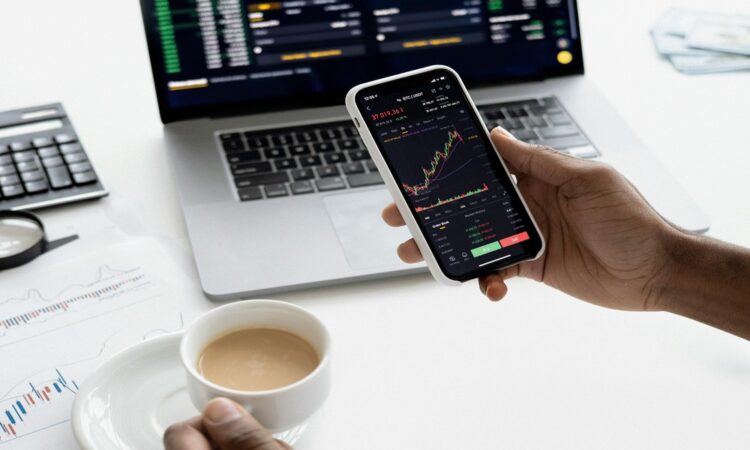
The UAE has become one of the leading centres for online trading in the Middle East, with growing participation from retail traders interested in CFDs on forex, equities, commodities, crypto, and indices. Strong digital infrastructure, improved market accessibility, and increased awareness of global financial markets have all contributed to this expansion. As competition among brokers grows, traders are becoming more selective about the platforms they use.
In today’s trading environment, choosing a broker involves far more than opening an account and accessing a platform. UAE traders increasingly compare brokers based on execution quality, regulation, platform functionality, account structures, and pricing transparency. Across the wider GCC region, excluding Saudi Arabia, broker comparisons are becoming an essential part of responsible and informed trading activity.
Why Broker Comparisons Matter
The UAE trading industry has evolved significantly over recent years, creating a highly competitive environment for brokers operating in the region. With more providers offering access to global CFD markets, traders now have a wider range of options than ever before. While greater choice can be beneficial, it also makes careful broker evaluation increasingly important.
Different brokers offer different trading conditions, including varying spreads, execution speeds, and platform capabilities. Traders who actively participate in CFD markets often require reliable systems that can support fast decision-making and efficient trade execution. Comparing brokers allows traders to identify platforms that align with their preferred trading strategies and market focus.
Broker comparisons have also become important throughout the wider GCC region. Traders in countries such as Qatar, Kuwait, Bahrain, and Oman are paying closer attention to regulation, market access, and platform performance before selecting a broker. As regional interest in online trading continues to expand, comparisons help traders navigate a crowded and competitive marketplace more effectively.
Important Features Traders Compare
One of the main factors traders compare is trading cost. Spreads, commissions, and overnight financing charges can all affect overall trading performance, particularly for traders who open and close positions frequently. Even relatively small differences in pricing structures can become meaningful over time for active CFD traders.
Platform performance is another major consideration. Modern traders expect access to stable and responsive trading platforms that provide real-time pricing, charting tools, mobile compatibility, and fast navigation between markets. Execution speed is particularly important during periods of market volatility, where delays may affect trade outcomes.
Account structures also play a role in broker selection. Some traders reviewing ADSS may compare account tiers, deposit requirements, and platform access before making a decision. Updated account tiers, such as Pro and Elite, both requiring a minimum deposit of $25,000, may appeal to traders seeking more advanced trading conditions within a regulated environment.
The Importance of Regulation and Transparency
Regulation remains one of the most important areas traders examine when comparing brokers in the UAE. Many traders prefer brokers regulated by the Securities and Commodities Authority (SCA), as regulatory oversight helps establish operational standards and promotes accountability within the trading industry.
Transparency is equally important in today’s online trading environment. Traders increasingly expect brokers to provide clear information regarding spreads, leverage, fees, and execution practices. Access to transparent pricing structures allows traders to better understand the conditions under which they are entering CFD positions across forex, equities, commodities, crypto, and indices.
It is also important for traders to understand the role of execution-only brokers. Companies such as ADSS provide access to trading markets and execute client orders, but do not provide financial advice or portfolio management services. Responsibility for risk management, market analysis, and trading decisions remains entirely with the trader.
Technology and the Modern Trading Environment
Technology has transformed how traders interact with financial markets across the UAE and the wider GCC. Mobile trading applications, cloud-based platforms, and advanced charting tools now allow traders to access markets from almost anywhere. This increased accessibility has raised expectations regarding platform reliability and performance.
As a result, traders frequently compare brokers based on technological capabilities as well as pricing and regulation. Stable infrastructure, minimal downtime, and efficient order execution are highly valued, particularly among traders participating in fast-moving CFD markets such as forex and commodities.
The wider GCC region has also benefited from rapid digital adoption, contributing to increased participation in online trading. Traders throughout the region are becoming more informed and technology-focused when selecting brokers. Rather than relying solely on marketing claims, many now evaluate measurable factors such as platform functionality, execution consistency, and market access before opening accounts.
Conclusion
Broker comparisons have become an essential part of the UAE trading industry as traders seek platforms that offer reliability, transparency, and competitive trading conditions. In a market where technology and execution quality can directly influence trading efficiency, careful broker evaluation helps traders make more informed decisions.
Across the UAE and the wider GCC, traders continue to expand their participation in CFDs on forex, equities, commodities, crypto, and indices. As competition between brokers increases, comparing regulation, pricing, platform performance, and account structures will remain a key step for traders navigating the modern online trading landscape.