

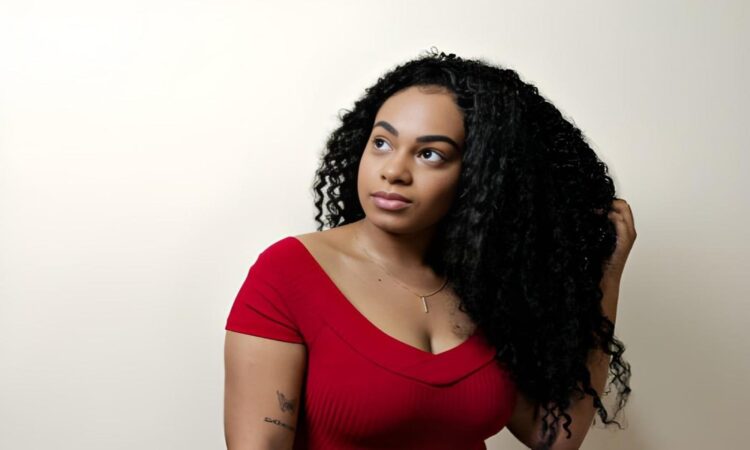
In today’s beauty market, hair extensions are no longer only about length, volume, or a quick style change. More women are looking for brands that understand texture, identity, maintenance, and the everyday reality of caring for Black hair. That is why Black-owned natural hair extension companies have become so important. They bring firsthand knowledge to a space that has not always represented kinky, curly, coily, blowout, relaxed, and silk press textures with accuracy. Instead of asking women to hide their natural pattern or force their hair into one narrow beauty standard, these brands help customers find extensions that feel realistic, wearable, protective, and aligned with how their hair actually grows and moves.
Why Textured Hair Representation Matters
For women with textured, natural, and chemically relaxed hair, shopping for extensions should feel personal, not frustrating. This is where Black-owned Natural Hair Extension Brands play a meaningful role because they often design from lived experience, not only trend reports. They understand that “curly” is not one universal look and that a 3B curl, 4A coil, blowout texture, and relaxed straight finish all serve different styling needs.
Representation also matters because hair is deeply connected to confidence, culture, and self-expression. When a woman can find extensions that blend with her real texture, she does not have to constantly over-straighten, over-process, or compromise the health of her leave-out. The best brands in this space make beauty feel more inclusive through fuller curls, low-luster finishes, soft kinky textures, silk press looks, and protective styles that still look like they belong to the wearer.
How Black-Owned Brands Are Changing the Buyer Experience
One major difference is education. Many Black-owned hair companies do more than sell bundles, wigs, clip-ins, or closures; they teach customers how to choose the right texture, density, length, and install method. This helps buyers avoid common mistakes, such as choosing hair that looks pretty online but does not blend well in real life.
For textured and natural hair shoppers, details matter. A customer may want defined curls for volume, a fuller coily finish for protective styling, or Curly Hair Extensions that support a natural-looking install without making her own hair look out of place. Good brands explain curl patterns, shrinkage, maintenance, and styling expectations clearly so customers can shop with confidence.
- They create textures that reflect real Black hair patterns.
- They provide better guidance on blending, care, and styling.
- They understand protective styling from both a beauty and hair-health perspective.
- They help customers choose based on lifestyle, not just appearance.
Textures That Solve Real Styling Problems
The strongest natural hair extension companies understand that texture matching is not a luxury; it is the foundation of a realistic style. A customer who wears her hair in a twist-out, wash-and-go, blowout, silk press, or relaxed look needs hair that supports that finish. For example, a textured piece such as a kinky curly U part wig can offer volume and blend while still allowing the wearer to leave some of her natural hair out.
Brands that focus on textured hair also understand that Black women do not all want the same result. Some want big, soft curls. Others want a natural blowout that can be pressed smoother. Some prefer relaxed straight hair that looks polished without appearing too silky. Others want coily fullness that mirrors 4A or 4C hair. This variety is what makes the category so valuable.
What to Look for Before Choosing a Brand
When comparing Black-owned extension companies, shoppers should look beyond beautiful photos. A trustworthy brand should make it easy to understand the hair origin, texture description, curl behavior, care instructions, return policy, and styling possibilities. Clear information is a sign that the company respects the customer’s money and time.
It also helps to look for real customer reviews, realistic model photos, and detailed product pages. The goal is not just to buy hair that looks good in a studio shoot, but to choose hair that performs well after washing, conditioning, styling, and reinstalling. A brand worth knowing will explain how the hair behaves over time, not only on the first day.
- Check whether the texture is described clearly.
- Look for guidance on blending with natural or relaxed hair.
- Read reviews that mention softness, longevity, shedding, and reuse.
- Choose brands that show different styling outcomes.
- Pay attention to maintenance instructions before purchasing.
Final Recommendations
Black-owned hair extension brands are worth knowing because they are helping reshape the standard of beauty from the inside. They bring cultural understanding, product knowledge, and texture awareness into an industry that has often treated textured hair as an afterthought. Their work gives shoppers more choices, more confidence, and more control over how they want to wear their hair.
The best brand for any customer will depend on her lifestyle, styling goals, budget, and natural hair texture. Still, the bigger takeaway is clear: representation improves the shopping experience. When brands understand kinky, curly, coily, blowout, relaxed, and silk press textures, customers no longer have to settle for extensions that almost work. They can choose hair that supports their beauty, protects their strands, and celebrates the texture they already have.