
How US Based Hair Companies Are Building Customer Loyalty in a Competitive Beauty Market

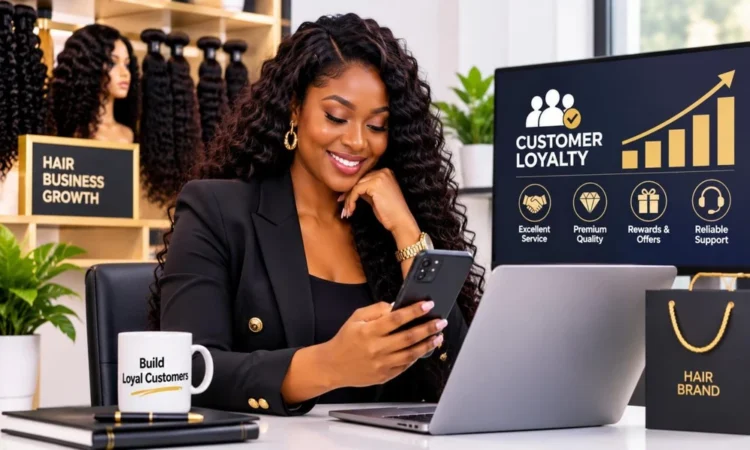
The American hair extensions industry is filled with opportunities, but competition has made earning customer loyalty more challenging than ever. From independent beauty entrepreneurs to established human hair extension brands, businesses are competing for shoppers who expect much more than attractive hairstyles and affordable prices. Today’s customers pay attention to hair quality, product authenticity, reliable shipping, and how companies respond when something goes wrong. For Black women and natural hair wearers, finding extensions that match their textures and styling preferences adds another important consideration. While social media marketing and promotional campaigns can attract first-time buyers, maintaining those relationships requires consistent experiences. The businesses that understand this distinction are better positioned to turn occasional shoppers into loyal customers.
How US Based Hair Companies Are Earning Consumer Trust
For women who wear textured and natural hairstyles, purchasing human hair extensions often involves finding a reliable match for their unique curl patterns and styling needs. This is one reason whyUs Based Hair Companies that prioritize product transparency and customer education can build stronger relationships with their audiences. Shoppers want to understand what they are purchasing, especially when investing in premium bundles, wigs, or clip-in extensions that they intend to wear repeatedly.
Clear explanations of hair origins, processing methods, density, and texture characteristics help consumers make informed decisions. For instance, the terms raw, virgin, and Remy describe different characteristics of human hair, but they are not interchangeable. Raw hair generally refers to hair that has not undergone chemical texture processing, while Remy describes the alignment of hair cuticles. Companies that explain these distinctions accurately demonstrate product knowledge and reduce misunderstandings.
Customer reviews also contribute significantly to credibility. Authentic photographs, detailed testimonials, and feedback from verified purchasers allow potential buyers to evaluate how extensions perform beyond professionally styled promotional images. A business that publishes balanced feedback and responds constructively to customer concerns may appear more trustworthy than one that relies exclusively on glowing advertisements. Trust develops when a company’s promises consistently match what customers actually receive.
Why Consistent Hair Quality Encourages Repeat Purchases
Product consistency is one of the strongest foundations of customer retention in the human hair industry. When customers purchase a particular curl pattern, length, or density, they naturally expect similar characteristics when they reorder. For beauty entrepreneurs, this means paying careful attention to sourcing standards, quality inspections, and how products perform during everyday use. Hair that maintains its intended texture with appropriate care and experiences minimal excessive shedding or tangling can offer better long-term value than cheaper alternatives requiring frequent replacement.
Natural-looking curly extensions illustrate why these expectations matter. A shopper looking toBuy Burmese Curly Hair Online may be particularly interested in curl definition, fullness, natural movement, and how well the bundles blend with her existing hair. Detailed product photography, realistic texture descriptions, and practical maintenance guidance help her evaluate whether the product suits her expectations before purchasing. Brands that communicate these details effectively can reduce disappointment and encourage future orders.
Hair-extension businesses also benefit from recognizing that their customers have different styling priorities. Some prefer kinky straight bundles that resemble stretched natural hair, while others choose coily textures, blowout finishes, or relaxed-hair matches. Offering thoughtfully developed texture selections and explaining the differences can make shoppers feel understood rather than overlooked.
For Black women especially, this attention to texture diversity supports protective styling, everyday versatility, and personal expression. A customer might choose a sew-in for longer-term wear, a wig for convenient styling, or clip-ins for temporary fullness. Companies that understand these preferences can recommend appropriate products instead of treating every shopper as though she needs the same solution.
How Customer Service and Professional Hairstylists Strengthen Brand Loyalty
Excellent customer service can influence whether a shopper returns to a beauty brand or looks elsewhere. Human hair extensions often represent a meaningful financial investment, and purchasing decisions may be connected to important occasions such as weddings, vacations, professional events, or scheduled salon appointments. Customers appreciate businesses that provide accurate product information, communicate shipping expectations clearly, and make their return and exchange policies easy to understand.
Personalized consultations can be equally valuable. A customer uncertain about choosing between kinky curly and loose curly textures may benefit from guidance about curl definition, styling requirements, and compatibility with her natural hair. Rather than simply recommending the most expensive option, knowledgeable support representatives can help identify the product that best meets her needs and budget.
Professional hairstylists are another important part of the customer-loyalty equation. Many consumers rely on experienced stylists when selecting extensions, particularly for sew-ins, custom wigs, and other installations that require technical expertise. A stylist who consistently achieves satisfactory results with a particular product may recommend that supplier to future clients. For hair businesses, these professional relationships can generate repeat purchases and credible word-of-mouth referrals.
Salon partnerships, educational demonstrations, and detailed installation resources create additional opportunities for collaboration. When companies help hairstylists understand product characteristics and proper maintenance techniques, professionals are better equipped to set realistic expectations with their clients. This creates a mutually beneficial relationship in which the business earns professional confidence, the stylist delivers better-informed services, and the customer enjoys a more satisfying experience.
Beyond Discounts: How Hair Companies Keep Customers Coming Back
Promotional discounts can encourage purchases, but they rarely create lasting loyalty on their own. Customers who return repeatedly often do so because they trust the overall experience. Successful beauty businesses recognize the value of maintaining relationships after checkout through helpful communication, relevant education, and dependable post-purchase support. For example, sending care instructions for curly extensions or explaining how to maintain a silk-pressed finish can help buyers protect their investment.
Loyalty programs offer another way to recognize returning customers. Points-based rewards, referral incentives, birthday benefits, and early access to new collections can make shoppers feel appreciated. However, these incentives work best when the underlying products and services already meet expectations. Even an attractive rewards program cannot compensate indefinitely for inconsistent hair quality or unresolved customer complaints.
Personalization also helps brands compete in an increasingly crowded e-commerce market. Instead of sending every subscriber identical product recommendations, businesses can use voluntarily shared preferences and previous purchase history to offer more relevant suggestions. Someone who regularly buys natural-textured clip-ins may appreciate information about new texture matches, while a professional stylist might value bundle availability updates and installation guidance.
Customer feedback provides further opportunities for improvement. Reviews, support conversations, and post-purchase surveys can reveal recurring concerns about product descriptions, shipping communication, or styling instructions. Businesses that analyze this information and make meaningful improvements demonstrate that customer relationships extend beyond individual transactions. Over time, these practices can strengthen satisfaction, retention, and positive recommendations.
What Shoppers Should Look for in a Hair Extension Company
Understanding how beauty businesses build customer loyalty can also help shoppers make smarter purchasing decisions. Before ordering human hair extensions, consumers should evaluate whether a company provides detailed descriptions of its products, realistic photographs, texture information, and accessible customer support. Independent customer reviews can offer useful perspectives, particularly when they discuss durability, styling experiences, and how the company handles concerns.
It is equally important to review shipping timelines and return conditions before purchasing, especially when an installation appointment is approaching. Customers should also consider whether a brand offers practical maintenance information and explains the differences between its available textures and installation methods. Comparing long-term value rather than focusing exclusively on the lowest price can lead to a more satisfying purchase.
For entrepreneurs, these same considerations highlight an important business principle: customer loyalty grows when companies consistently make shopping easier, more transparent, and more rewarding. The brands that combine reliable human hair products, inclusive texture selections, knowledgeable professionals, and responsive service are better positioned to stand apart in a competitive beauty market. Ultimately, sustainable success comes not simply from attracting new customers, but from giving existing customers meaningful reasons to return.