
For commercial property owners and facility managers, few building maintenance decisions carry as much weight as replacing a roof. A commercial roof is responsible for protecting tenants, employees, equipment, inventory, interior finishes, and the building structure itself. However, because most low-slope roofs are not visible from the ground, their condition can easily be overlooked until a leak or another serious problem occurs.
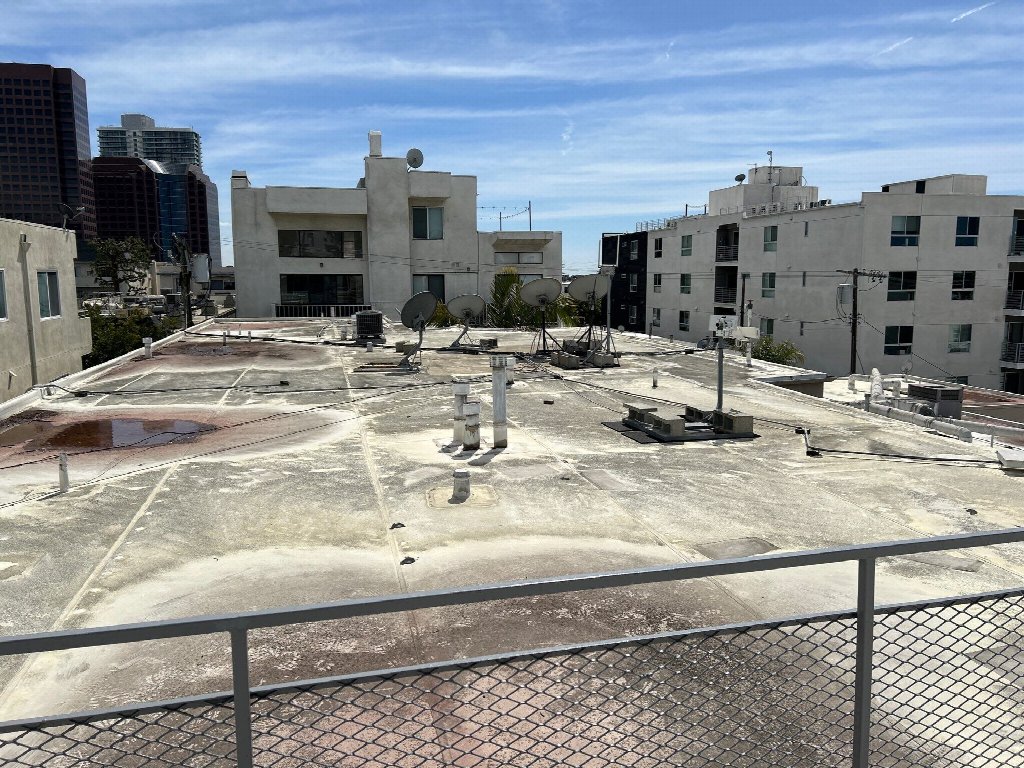
Low-slope roofs are especially common on warehouses, manufacturing facilities, retail complexes, offices, apartment buildings, and other large commercial properties because they generally offer cost-effective installation, practical maintenance, and space for rooftop equipment. In fact, the low-slope roofing segment accounted for nearly 42.56% of the commercial roofing market in 2025.
Although these roofing systems are designed for durability, they do not last forever. Exposure to sunlight, temperature changes, standing water, foot traffic, rooftop equipment, and severe weather can gradually weaken the membrane and underlying components. Knowing when a low-slope roof has reached the end of its service life, and when it can still be repaired or restored, can help property owners avoid unexpected expenses, water damage, and business interruptions.
This guide explains the warning signs that may indicate it is time for a low-slope commercial roof replacement, the factors that affect the project, and the options property owners should evaluate before making the investment.
Understanding the Lifespan of a Low-Slope Commercial Roof
Most low-slope commercial roofing systems are designed to last between 15 and 30 years. However, the actual lifespan depends on several factors, including the type of material, installation quality, local climate, drainage performance, maintenance history, and the amount of traffic the roof receives.
Typical service-life ranges include:
-
Built-up roofing: Approximately 15 to 30 years
-
Modified bitumen: Approximately 10 to 20 years
-
TPO and PVC single-ply membranes: Approximately 15 to 25 years
-
EPDM rubber membranes: Approximately 20 to 25 years
-
Metal low-slope systems: 30 years or more with appropriate maintenance
These figures should be treated as general guidelines rather than guaranteed timelines. A properly installed and regularly maintained roof may perform beyond its estimated lifespan. On the other hand, a roof with poor drainage, inadequate installation, frequent leaks, or limited maintenance may deteriorate much earlier.
Property owners should keep records showing when the roof was installed, what roofing system was used, what repairs have been completed, and whether a manufacturer or contractor warranty still covers the roof. If these records are unavailable, a commercial roofer may be able to estimate the roof’s age and identify its existing materials during an inspection.
A roof approaching the upper end of its expected service life should be evaluated even if it appears to be functioning properly. Planning an inspection early gives property owners more time to determine whether maintenance, restoration, or replacement should be included in an upcoming capital budget.
Signs a Commercial Roof May Be Due for Replacement
Age alone does not always mean a commercial roof must be replaced. Its physical condition, repair history, and overall performance are equally important. A relatively old roof may remain serviceable with proper maintenance, while a newer system may require premature replacement because of installation defects or severe damage.
Common warning signs include:
-
Leaks appearing in multiple, unrelated areas
-
Membrane blistering, cracking, shrinking, or splitting
-
Seams that have separated or lifted
-
Flashing that is loose, deteriorated, or pulling away
-
Persistent ponding water after rainfall
-
Saturated, compressed, or damaged insulation
-
Soft areas beneath the roof membrane
-
Repeated repairs that fail to resolve the problem
-
Interior water stains, mold, or musty odors
-
Increasing heating or cooling costs caused by wet insulation
One isolated leak does not necessarily require a full commercial roof replacement. The problem may be caused by a damaged seam, puncture, drain, flashing detail, or rooftop penetration that can be repaired individually. However, when leaks appear across multiple areas, the membrane may be experiencing widespread deterioration.
Ponding water is another important warning sign. Low-slope roofs are designed with enough slope to move water toward drains, gutters, or scuppers. Water that remains on the roof for long periods can place additional stress on the membrane, accelerate material deterioration, and eventually enter vulnerable seams or penetrations.
The condition beneath the visible membrane also matters. Saturated insulation can lose its thermal performance and spread moisture across a larger portion of the roof. If moisture has reached the roof deck, structural repairs may also become necessary.
Consider the Roof’s Repair History
A commercial roof’s maintenance and repair history can help determine whether another repair is worthwhile. Occasional repairs are normal throughout the life of a roofing system, especially around flashing, drains, vents, and rooftop equipment.
However, frequent service calls may indicate that the roof is becoming unreliable. Property owners should review how often repairs have been required, how much has been spent, and whether leaks continue to return in the same areas.
Repeated repairs can create the appearance of lower short-term costs, but they may become expensive over time. Temporary patching also does not correct widespread deterioration beneath the surface. If annual repair expenses continue to rise, applying that budget toward a planned replacement may provide better long-term value.
An experienced commercial roofer can review previous repairs, inspect the current condition, and help determine whether additional repairs are likely to extend the roof’s useful life.
Repair, Restore, or Replace?
Not every aging commercial roof needs to be removed. The right option depends on the roof’s age, the extent of the damage, moisture levels, and the condition of the membrane, insulation, and underlying deck.
Roof Repair
Repair may be appropriate when damage is limited to a small area and the rest of the roofing system remains structurally sound. Examples include repairing a puncture, resealing a separated seam, replacing damaged flashing, or correcting an isolated drainage issue.
Obtaining a detailed roof repair estimate can help property owners understand the labor, materials, equipment, and costs involved before approving the work. It can also make it easier to compare the cost of repairing the affected area with restoration or complete replacement.
Roof Restoration
Restoration may be an option when the roof is weathered but still structurally stable. A coating system, such as silicone or acrylic, can help seal minor surface defects, improve waterproofing, and extend the roof’s service life.
However, coatings should not be applied over saturated insulation, damaged decking, or extensive membrane failure. The roof must first be inspected, cleaned, prepared, and repaired. Moisture testing may also be needed to confirm that the underlying system is suitable for restoration.
Roof Replacement
Replacement is generally the better choice when leaks are widespread, insulation is saturated, the roof deck is damaged, or previous repairs continue to fail. It may also be necessary when the existing roof has reached the end of its expected service life or when building-code requirements limit the ability to install another roof layer.
Comparing the expected cost, performance, and lifespan of each option can help property owners avoid spending repeatedly on temporary solutions. A professional roof inspection should be completed before making the final decision.
What Affects the Cost and Scope of a Commercial Roof Replacement?
Every commercial roofing project is different. The size of the building is a major factor, but total square footage alone does not determine the final scope or cost.
The main project considerations typically include:
-
The total roof area and overall complexity
-
The selected roofing system and materials
-
The number of existing roof layers
-
Whether the roof requires a complete tear-off or can be recovered
-
The condition of the insulation and roof deck
-
The amount of rooftop equipment and penetrations
-
Drainage improvements that may be required
-
Roof access and material-loading requirements
-
Labor rates and site-specific safety measures
-
Permits, inspections, and local building-code requirements
A roof with multiple HVAC units, vents, skylights, drains, pipes, and other penetrations may require more detailed labor than an open roof of the same size. Difficult access can also increase the need for cranes, lifts, staging areas, or specialized material-handling equipment.
The tear-off process can reveal hidden conditions that were not visible during the initial inspection. Wet insulation, deteriorated decking, or older materials requiring special handling may affect the final scope. For this reason, property owners should understand what is included in the proposal and how unforeseen conditions will be handled.
Professional roof replacement estimating services can help contractors calculate material quantities, labor, equipment, disposal, tear-off costs, insulation, flashing, and other project-specific expenses before work begins. A detailed estimate gives contractors and property owners a clearer understanding of the required budget and makes it easier to compare roofing systems and project options.
Because a low-slope commercial roof replacement is a major investment, property owners are generally better served by planning proactively rather than waiting for a sudden failure.
Choosing the Right Replacement System
The best replacement material is not necessarily the least expensive or most familiar option. The roofing system should be selected based on the building’s design, roof slope, drainage, local climate, energy goals, rooftop activity, and long-term ownership plans.
For example, a reflective TPO or PVC membrane may help reduce heat absorption on a property exposed to strong sunlight. Modified bitumen may be suitable for roofs that experience regular maintenance traffic, while metal systems may offer a longer lifespan for certain building designs.
Property owners should also consider warranty terms, maintenance requirements, energy performance, installation methods, and compatibility with existing rooftop equipment. A qualified commercial roofer can explain the advantages and limitations of each option rather than recommending the same system for every building.
Timing Your Replacement Around the Seasons
In climates such as Southern California, commercial roofing work can often be scheduled throughout the year. However, drier periods generally make installation more predictable and reduce the risk of weather-related delays.
Planning ahead gives property owners time to:
-
Schedule inspections and moisture testing
-
Obtain and compare proposals
-
Review roofing system options
-
Secure permits and approvals
-
Coordinate with tenants or building operations
-
Prepare a realistic project budget
-
Order materials before installation begins
Commercial properties with busy operating seasons may also need to schedule roofing work during quieter periods. Warehouses, retail centers, manufacturing facilities, and multi-tenant buildings may require additional coordination to manage access, noise, odors, parking, deliveries, and rooftop equipment.
Emergency replacement rarely provides the same level of flexibility. When a roof suddenly fails, the property owner may have fewer contractor options, less time to compare materials, and limited control over the project schedule.
The Risks of Delaying a Needed Commercial Roof Replacement
Postponing a necessary roof replacement may appear to preserve cash in the short term, but a failing roof continues to deteriorate. The resulting costs can spread well beyond the roofing system.
Possible consequences include:
-
Water damage to insulation, walls, ceilings, and flooring
-
Damage to equipment, merchandise, records, and stored inventory
-
Mold growth and related remediation concerns
-
Reduced energy efficiency due to wet insulation
-
Higher emergency repair and after-hours labor costs
-
Business interruption when affected areas must close
-
Tenant complaints and potential lease-related issues
-
Structural deterioration of the roof deck
-
Increased project costs as the damage spreads
Water can travel beneath the membrane before it becomes visible inside the building. By the time a ceiling stain appears, the affected area may be larger than expected. Delaying replacement can therefore turn a roofing project into a broader interior, insulation, or structural repair.
Replacing the roof on a planned schedule generally gives property owners greater control over costs, materials, contractors, and building operations.
Work With a Qualified Commercial Roofer
Because a commercial roof replacement is a long-term investment, the contractor matters as much as the roofing material. A qualified commercial roofer should inspect the existing system, identify moisture and drainage concerns, explain the available options, and provide a clear scope of work.
Property owners should look for a contractor with relevant low-slope roofing experience, proper licensing and insurance, strong references, transparent warranties, and familiarity with local permitting requirements. The contractor should also explain how the building will remain protected during tear-off and installation.
Companies such as USA Premier Roofing provide commercial roof inspections, repairs, restoration, and replacement services for property owners across Los Angeles and the surrounding areas. A professional evaluation can help building owners determine whether another repair is reasonable, a coating could extend the roof’s life, or a complete replacement is the smartest long-term decision.
Addressing the roof before it fails can reduce uncertainty, protect the property, and make the replacement process easier to plan and manage.