

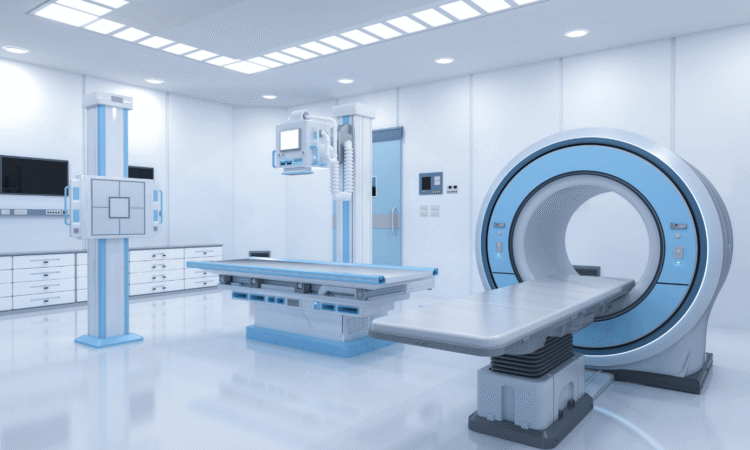
Medical equipment forms the backbone of modern healthcare systems, supporting accurate diagnosis, effective treatment, and improved patient management. From imaging technologies to life-support systems, medical devices help healthcare professionals deliver faster, safer, and more reliable care. As healthcare continues to evolve, the role of advanced equipment becomes increasingly critical in improving outcomes and enhancing patient experiences, highlighting the advantages of dedicated medical units in healthcare.
The Role of Medical Equipment in Healthcare
Medical equipment serves several essential functions that directly influence the quality of care patients receive.
Key functions include:
- Accurate diagnosis: Imaging tools such as X-ray machines, ultrasound systems, and CT scanners allow early detection of diseases, enabling timely treatment.
- Effective treatment: Devices like infusion pumps, pacemakers, and defibrillators support targeted therapies and life-saving interventions.
- Continuous monitoring: Equipment such as ECG monitors and digital blood pressure machines track patient vitals in real time, helping clinicians respond quickly to changes.
- Surgical precision: Advanced instruments and robotic-assisted systems improve surgical accuracy and reduce complications.
- Rehabilitation support: Prosthetics, mobility aids, and therapy equipment assist patients in regaining independence after injuries or surgeries.
Technological Advancements in Medical Equipment
Rapid technological progress has significantly transformed healthcare delivery by introducing smarter and more efficient medical tools.
Notable advancements include:
- Artificial intelligence: AI-driven diagnostic systems help detect conditions faster and with higher accuracy.
- Wearable health devices: Smart monitoring devices provide continuous health data for both patients and doctors.
- Telemedicine tools: Remote consultation and monitoring equipment allow patients to receive care without visiting hospitals.
- 3D printing technology: Customized prosthetics, implants, and surgical models can now be created for individual patients.
- Robotic-assisted surgery: Robotics enables minimally invasive procedures, reducing recovery time and improving surgical outcomes.
Impact on Patient Outcomes
The availability of advanced medical equipment directly influences treatment success and patient recovery.
Positive impacts include:
- Earlier disease detection and faster diagnosis
- Improved survival rates due to life-support technologies
- Greater comfort through modern hospital infrastructure
- More efficient care delivery with automated systems that reduce errors
Together, these improvements help healthcare providers deliver more reliable and patient-centered services.
Challenges in Medical Equipment Usage
Despite its importance, medical equipment also presents several operational and financial challenges.
Common issues include:
- High acquisition and maintenance costs, especially in developing regions
- The need for regular calibration and servicing to maintain accuracy
- Specialized training requirements for healthcare professionals
- Cybersecurity risks linked to digital and connected medical devices
Addressing these challenges is essential for ensuring safe and consistent equipment performance.
Future Trends in Medical Equipment
The future of medical technology is expected to focus on innovation, personalization, and sustainability.
Emerging trends include:
- Customized devices tailored to individual patient needs
- Greater integration of AI and data analytics for predictive care
- Environmentally sustainable manufacturing of medical devices
- Nanotechnology enabling targeted drug delivery and minimally invasive treatments
These developments are likely to reshape healthcare by making treatments more precise, accessible, and efficient.