
Hidden structural damage creates lasting repair challenges. A vehicle may appear restored while alignment issues remain beneath panels. Accurate frame correction prevents those problems from carrying forward. Modern repair facilities rely on advanced measuring tools, controlled pulling equipment, and skilled assessment methods. In a frame machine body shop, technicians restore structural dimensions before cosmetic work begins, creating a stronger foundation for every repair stage.
Why Does Frame Accuracy Influence Collision Repair Results?
Every vehicle depends on precise structural geometry. Even slight distortion affects steering response and tire contact. During impact events, force travels beyond visible damage zones. Bent rails, shifted mounting points, and altered measurements can develop quietly.
Without accurate correction, repairs lose long-term reliability. Drivers may notice pulling sensations, irregular tire wear, or unstable handling. Correct dimensions restore intended engineering characteristics while helping safety systems function as designed during future roadway incidents.
What Makes Modern Straightening Systems More Effective?
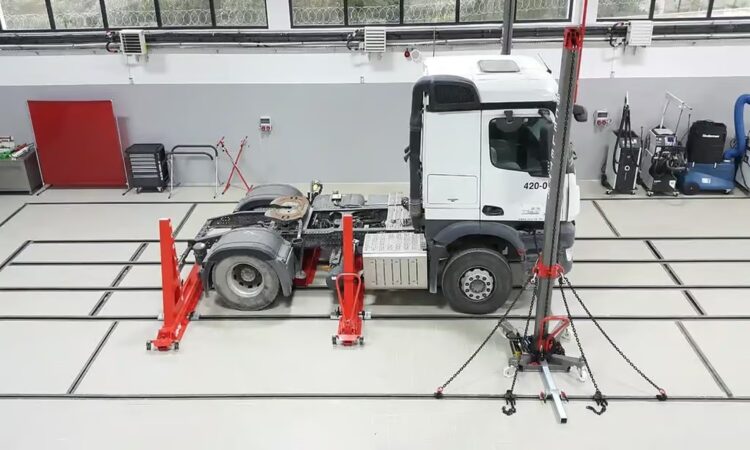
Technology changed structural repair standards dramatically. Earlier methods relied heavily on visual judgment. Today’s systems track measurements throughout correction procedures.
A repair technician can identify movement instantly. Digital references reveal variations invisible to the eye. Hydraulic pulling equipment applies force precisely where needed.
Key advantages include:
- Exact measurement verification
- Controlled directional pulling
- Reduced guesswork during correction
- Faster structural evaluation processes
- Consistent repair quality standards
Those capabilities create dependable outcomes across different collision scenarios.
Precision Matters Inside Complex Vehicle Structures
Vehicle construction evolved rapidly during recent decades. High-strength steel sections, crumple zones, and engineered load paths require careful restoration. Improper pulling locations may create secondary damage elsewhere.
Ina professional frame machine body shop, technicians follow manufacturer measurement data throughout correction work. Reference points guide adjustments while monitoring systems verify progress continuously.
Consider a front-end collision example. Exterior panels may absorb attention immediately. Structural measurements often reveal movement farther rearward. Identifying those hidden shifts protects suspension geometry and wheel positioning from future complications.
Which Features Deliver Better Repair Consistency?
Not every straightening system performs equally. Certain features contribute directly to repair precision and repeatability.
Important capabilities include:
- Multi-point measuring references
- Real-time dimension tracking
- Adjustable pulling tower placement
Additional value comes from:
- Vehicle-specific measurement databases
- Integrated diagnostic compatibility
- Stable anchoring systems
When combined, these elements reduce uncertainty throughout restoration procedures.
Beyond Appearance: Restoring Engineering Integrity
Fresh paint attracts attention first. Structural accuracy carries greater significance. A vehicle’s frame directs crash energy through predetermined pathways. Distorted geometry changes how those forces travel during future impacts.
Repair quality depends on restoring original dimensions rather than achieving visual symmetry alone. Properly corrected structures improve suspension performance, maintain panel fitment, and preserve manufacturer safety intentions. Those benefits remain valuable long after visible damage disappears.
Where Accuracy Delivers Real Value
A shifted mounting point measuring mere millimeters matters greatly. Suspension geometry depends on exact positioning, not visual estimation. When digital measurements guide every pull, repairs align with original engineering intent. That distinction separates a vehicle that simply looks repaired from one prepared for years of dependable road use.
FAQs
How can technicians detect hidden frame damage?
Digital measuring equipment compares structural points against factory specifications. Small deviations become visible immediately through computerized analysis.
Can frame damage affect tire wear?
Yes. Misaligned structural components alter wheel positioning. Uneven tire wear often develops when correction remains incomplete.
Are modern frame systems suitable for newer vehicles?
Yes. Advanced equipment accommodates complex designs, including high-strength steel construction and engineered crumple zones.
Does cosmetic repair fix structural issues?
No. Paint and panel replacement address appearance. Structural correction requires dedicated measuring and straightening equipment.