

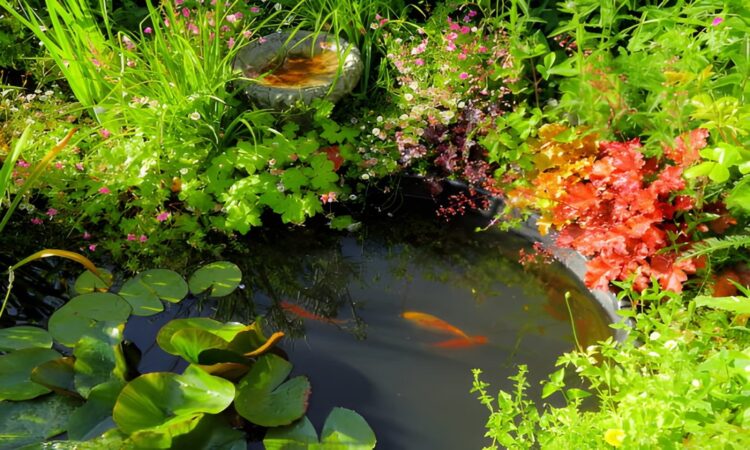
One day, the water was clear. Next morning green. Not muddy. Not dirty. Just this odd, glowing soup where the fish had vanished from sight. I remember leaning closer, sniffing that faint algae smell, wondering what failed. The pump was fine. The filter was humming. So, what happened?
Tiny algae. Microscopic. Multiplying in sunlight faster than the filter could catch them.
- The water looked clean the day before
- Sunlight with nutrients means algae explosion
- Mechanical and bio filtration were not the problem
That is when UV filtration finally made sense to me.
When I discussed with a pond maintenance company, That Pond Guy, their experts also insisted that I should use the Evolution Aqua Nexus 220 Titanium with UV in my pond.
Experts describe how the system stages filtration so nothing clashes:
- Solids are separated early
- Biological media handles ammonia and nitrites
- UV targets free-floating algae before it spreads
Each part has its own job. No overload. No conflict.
What UV light is actually doing
UV does not “filter” in the normal sense. It does not trap dirt. It does not scrub water. Instead, algae cells pass through a UV chamber where their ability to reproduce is damaged.
They don’t multiply after that:
- Algae flows through the UV unit
- Cells are neutralised at a microscopic level
- Dead particles clump and get removed by the filter later
- Water gradually clears over several days
You never see the process. You only see the result.
Why UV feels like the lowest maintenance part of the system
This part surprised me. UV works quietly in the background. No daily cleaning. No scrubbing media. No opening messy lids.
You almost forget it is there:
- Runs continuously without attention
- Prevents green water before it starts
- Reduces pressure on the bio filter
- Only needs an occasional bulb replacement
It is preventative, not reactive.
The visual difference UV makes
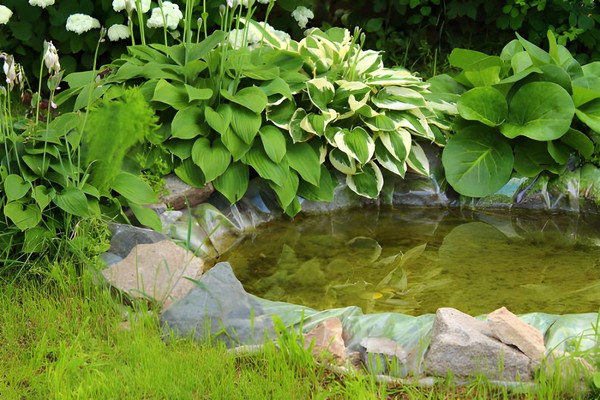
When UV is doing its job, pond water has a clear, glass-like quality. You can see fish, stones, and even tiny movements at the bottom. Without it, especially in sunny weather, algae spreads quickly. I have seen ponds turn cloudy within two days and clear again within a week once UV was active. That visible change is hard to ignore.
Why koi ponds benefit even more from UV
Koi ponds are nutrient-rich because of feeding. That creates the perfect environment for algae growth. UV breaks that pattern without reducing feeding or fish load.
- Helps maintain oxygen levels
- Supports biological filtration by reducing algae stress
- Keeps water visibly clear for fish observation
- Improves overall water stability
It works alongside the rest of the filtration, not against it.
Final thoughts while looking at clear water
UV is easy to overlook because you never see it working. No noise. No moving parts. Just a light inside a chamber. But when it is missing, the pond tells you quickly. And when it is present, the water simply looks right, clear, calm, balanced. That quiet UV chamber is doing more for pond clarity than most people realise.